Physical Address
Ahmedabad 380009
Physical Address
Ahmedabad 380009

Veraval, Gujarat: The Veraval Fisheries Industry has become an important part of Gujarat’s marine economy, connecting traditional fishing communities with modern seafood processing businesses and international export markets.
Located in Gir Somnath district along the Arabian Sea, Veraval is recognised for its fishing harbour, seafood processing facilities, fishing vessel operations and marine product trading network.
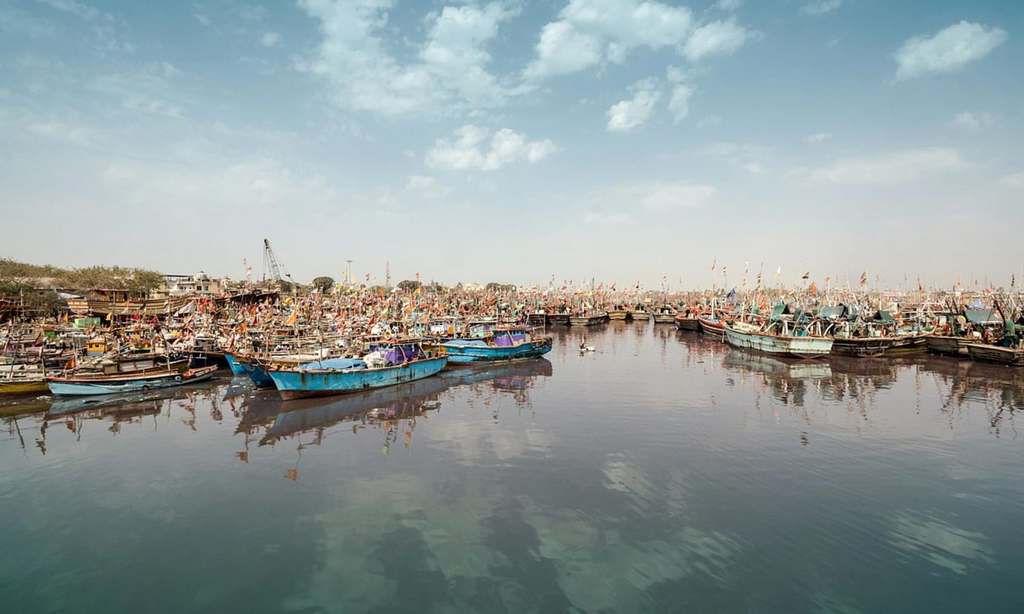
With more than 125 seafood processing units and an estimated annual marine catch of nearly five lakh metric tonnes, Veraval has developed into a major centre for India’s seafood industry, according to industry figures reported in February 2026.
But Veraval’s growth is not just about fishing. It represents an interconnected business ecosystem involving fishermen, boat operators, ice manufacturers, cold storage facilities, processors, transporters and seafood exporters.
Veraval developed into a major fisheries hub because of its strategic coastal location, access to Arabian Sea fishing grounds and established fishing infrastructure.
Its fishing harbour supports marine fishing operations and provides the foundation for a wider industrial network.
Over the years, businesses around the harbour have expanded beyond traditional fish trading into processing, freezing, packaging, transportation and exports.
The Veraval fisheries ecosystem includes:
This interconnected network has helped Veraval evolve from a traditional fishing economy into a significant seafood processing and trading centre.
Veraval handles several varieties of marine products that serve both domestic and international markets.
Major seafood products associated with the region include:
These products are processed, graded, frozen and packaged according to buyer requirements and applicable food safety standards.
The export business involves several stages, including fish landing, quality inspection, processing, freezing, packaging, cold-chain transportation and international distribution.
Seafood exporters connect Veraval’s processing ecosystem with markets across Asia, Europe, the Middle East and other international destinations.
Gujarat’s marine export industry has recorded significant growth in recent years, strengthening the state’s position in India’s seafood trade.
According to state-wise marine product export data presented by the Ministry of Fisheries, Animal Husbandry and Dairying in Parliament in August 2026, Gujarat recorded the following performance:
| Financial Year | Export Quantity | Export Value |
|---|---|---|
| 2021–22 | 2.00 lakh MT | ₹4,421 crore |
| 2022–23 | 2.49 lakh MT | ₹5,467 crore |
| 2023–24 | 2.84 lakh MT | ₹5,511 crore |
| 2024–25 | 2.82 lakh MT | ₹5,889 crore |
| 2025–26 | 3.12 lakh MT | ₹7,146 crore |
Source: Ministry of Fisheries, Animal Husbandry and Dairying, parliamentary data dated 4 August 2026. Figures are for Gujarat as a whole, not Veraval alone.
The latest figures highlight the growing commercial importance of Gujarat’s seafood industry. In FY2025–26, the state exported approximately 3.12 lakh metric tonnes of marine products valued at ₹7,145.67 crore.
Veraval contributes to this wider industry through its fishing operations, processing facilities, seafood businesses and export network.
The Union Budget 2026–27 introduced an important measure aimed at improving the competitiveness of India’s seafood processing and export businesses.
The government increased the duty-free import limit for specified inputs used in seafood processing for exports from 1% to 3% of the previous financial year’s Free on Board (FOB) export value.
This measure can help eligible seafood exporters access specialised processing inputs with reduced import-duty costs, subject to applicable conditions.
For Veraval’s seafood processing businesses, the policy could provide opportunities to improve cost efficiency, strengthen export competitiveness and expand international business.
The government is also supporting fisheries development through initiatives such as:
1. Pradhan Mantri Matsya Sampada Yojana (PMMSY)
Supports fisheries infrastructure, productivity, modernisation, value addition and the development of the fisheries value chain.
2. Fisheries and Aquaculture Infrastructure Development Fund (FIDF)
Supports investment in fisheries infrastructure, including fishing harbours, cold-chain facilities and processing infrastructure.
3. Kisan Credit Card (KCC) for Fishers
Provides eligible fishermen and fish farmers with access to working capital credit.
Together, these initiatives aim to improve fisheries infrastructure, strengthen the supply chain and support fishing communities.
Despite its established market position, the Veraval fisheries industry faces several operational and commercial challenges.
Seasonal fishing activity: Fishing seasons, weather conditions and fishing restrictions can affect marine catch availability and business operations.
Cold-chain infrastructure: Seafood requires carefully controlled storage and transportation temperatures to maintain quality and reduce post-harvest losses.
International quality standards: Exporters must comply with food safety, hygiene, traceability and certification requirements in destination markets.
Global competition: Indian seafood exporters compete with established seafood-producing countries such as Vietnam, Ecuador and Thailand.
Rising operating costs: Electricity, labour, packaging, transportation and processing inputs can affect business profitability.
Sustainable fishing: Responsible fishing practices and marine resource management are essential for protecting long-term industry growth.
Addressing these challenges will be important for businesses looking to expand their processing capacity and international market presence.
The future of Veraval’s fisheries industry will depend on how effectively traditional fishing operations connect with modern processing technology, infrastructure and global market requirements.
Several business opportunities could shape the industry’s next phase of growth:
The next growth opportunity for Veraval may not simply come from increasing the volume of fish caught. It will also depend on improving how seafood is processed, preserved, packaged, transported and marketed.
Veraval demonstrates how a traditional coastal economy can develop into an internationally connected industrial ecosystem.
Its fisheries industry supports fishermen, small businesses, processing units, logistics operators and exporters while contributing to Gujarat’s broader marine economy.
With growing seafood exports, policy support and opportunities in value-added processing, Veraval has the potential to strengthen its position in India’s seafood export landscape.
For Gujarat, Veraval is more than a fishing harbour. It is an important example of how coastal resources, entrepreneurship and industrial infrastructure can create business opportunities and support regional economic growth.
BizzUdaan Insight: The future of Gujarat’s seafood industry will depend on transforming traditional fishing strengths into modern, technology-driven and globally competitive businesses.
BizzUdaan brings you business stories, industry developments and insights shaping Gujarat’s growing economy.
Veraval is known for its fishing harbour, marine fishing operations, seafood processing facilities and export-oriented businesses. It is one of Gujarat’s important centres for marine fisheries.
Veraval Fishing Harbour is located in Veraval city, Gir Somnath district, Gujarat, along the Arabian Sea coast.
Industry figures reported in February 2026 estimate that Veraval handles nearly five lakh metric tonnes of marine catch annually.
Industry reports have cited more than 125 seafood processing units in Veraval.
Gujarat exported approximately 3.12 lakh metric tonnes of marine products valued at ₹7,145.67 crore in FY2025–26, according to parliamentary data.
Major products include ribbon fish, mackerel, pomfret, tuna, cuttlefish, squid, shrimp and other marine products.
Government initiatives include PMMSY, FIDF, KCC for fishers and the 2026 Budget measure increasing the duty-free import limit for specified seafood-processing inputs from 1% to 3% of the previous year’s FOB export value.
Major opportunities include value-added seafood processing, advanced freezing technology, cold-chain infrastructure, export diversification and digital traceability.