Physical Address
Ahmedabad 380009
Physical Address
Ahmedabad 380009

Ahmedabad, 20 October 2026
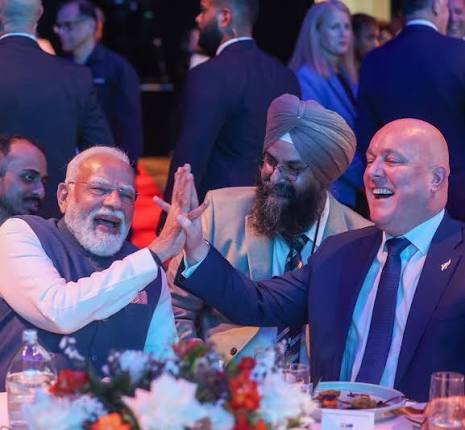
The India and New Zealand FTA 2026 has officially come into force on 20 October 2026, opening a new chapter in economic relations between the two countries. Signed on 27 April 2026, the agreement aims to strengthen bilateral trade, expand market access, and create new opportunities for businesses, exporters, and professionals in both markets. Negotiations were substantially concluded in December 2025, following approximately nine months of talks.
For Indian businesses, the biggest development is 100 per cent duty-free access for Indian goods entering the New Zealand market. The agreement is expected to improve the competitiveness of Indian exporters and create opportunities across sectors such as textiles, apparel, leather, footwear, pharmaceuticals, engineering goods and agricultural processing. On the other side, India will eliminate or reduce tariffs on approximately 95 per cent of New Zealand’s exports, with around 57 per cent receiving duty-free access from the agreement’s commencement. These benefits remain subject to applicable product-specific conditions and rules of origin.
The agreement comes at a time when Indian businesses are looking to diversify export markets and strengthen their international presence. India’s exports to New Zealand reached approximately $711.1 million in 2024–25, highlighting the potential for further growth. While tariff reductions can help Indian products compete more effectively, businesses will also need to focus on product quality, pricing, regulatory compliance and distribution partnerships to convert improved market access into actual sales.
Investment and professional mobility are also important parts of the agreement. New Zealand has committed to facilitating $20 billion in investment into India over 15 years. The FTA also introduces new opportunities relating to skilled professionals, students and temporary employment pathways. These measures are intended to support broader economic cooperation beyond merchandise trade. However, visa applicants must still meet the relevant eligibility and immigration requirements.
The agreement’s implementation marks the beginning of its practical impact. Businesses can now examine the tariff benefits applicable to their products, verify rules-of-origin requirements and identify potential buyers and distribution partners. The actual benefits will depend on each product’s tariff classification, compliance requirements and ability to compete in the New Zealand market.
For Indian exporters, MSMEs and startups, the India–New Zealand FTA is more than a tariff announcement. It creates a practical opportunity to explore a new international market with improved access for Indian goods. But duty-free access alone does not guarantee export growth. The real opportunity lies in how effectively businesses prepare their products, understand market demand, build partnerships and convert these new trade advantages into sustainable international orders.
At BizzUdaan, we believe the next chapter of this agreement will be defined not just by policy, but by the Indian businesses that turn market access into measurable growth.